Google Ads for eCommerce: A Guide to Profitable Growth in 2026

google ads for ecommerce

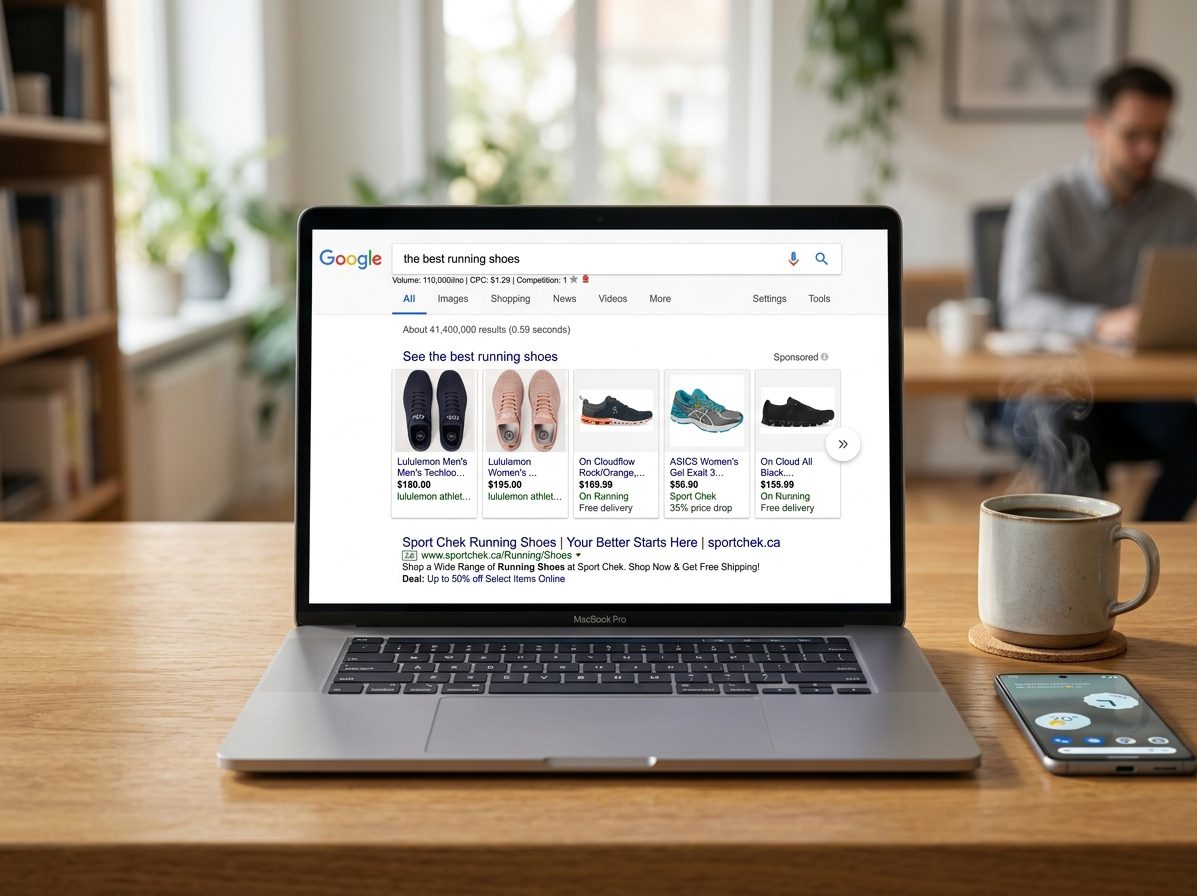
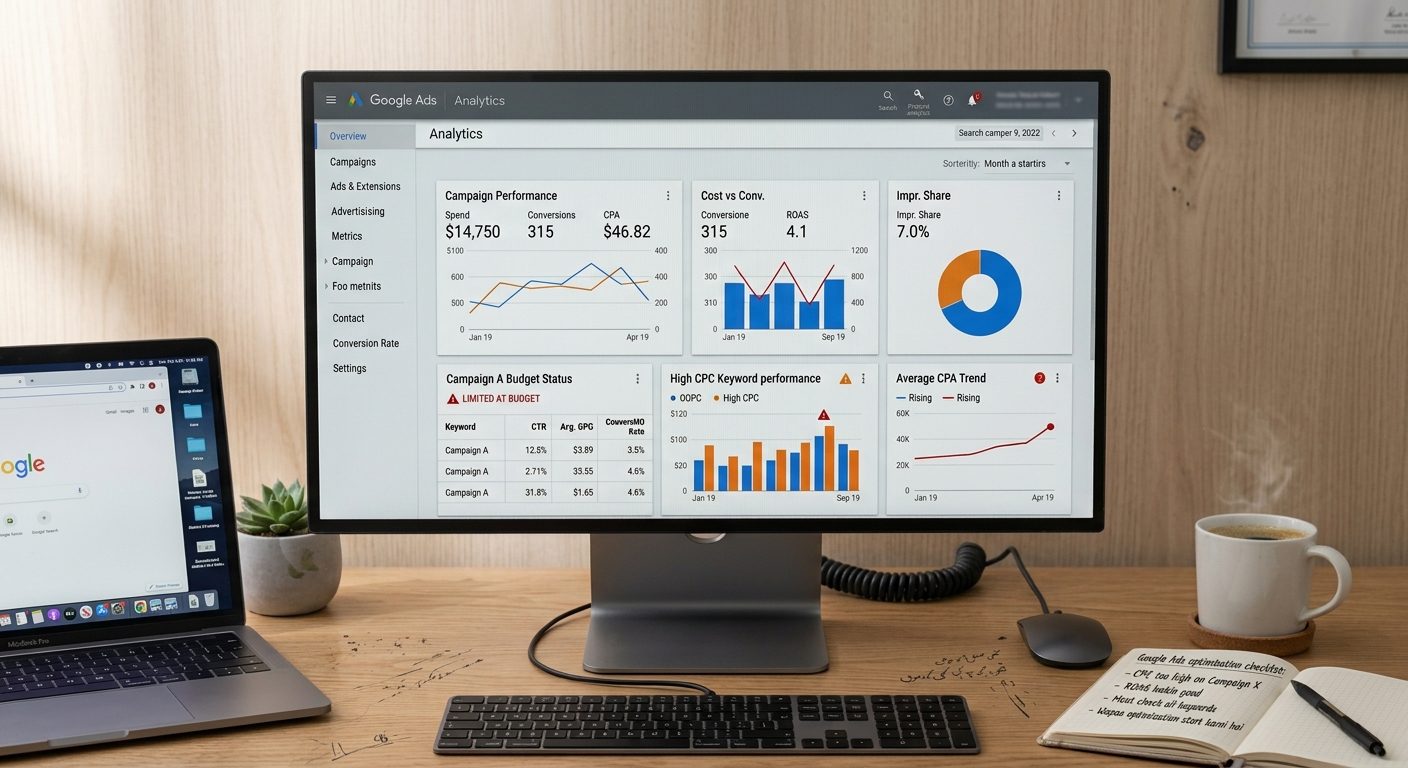
Google Ads gives eCommerce brands access to customers at one of the most valuable moments in the buying journey: when they’re actively searching for products. But competition is intense. Simply launching campaigns and increasing budgets isn’t enough to build a scalable acquisition channel. Start With Accurate Conversion Tracking Before making optimisation decisions, you need reliable data. Your Google Ads setup should accurately measure the actions that matter to your business. Without trustworthy conversion data, automated bidding and campaign optimisation are working from incomplete information. Understand Your Business Economics Before deciding what constitutes a “good” ROAS, understand your numbers. Consider: Product margins Average order value Fulfilment costs Advertising costs Repeat purchase behaviour Customer lifetime value There isn’t one universal ROAS target that’s profitable for every eCommerce brand. Build Campaigns Around Business Priorities Google Ads shouldn’t operate separately from your broader eCommerce strategy. High-margin products, best sellers, new customer acquisition, inventory levels, seasonality, and promotional periods can all influence where advertising budget should go. Give Strong Products Room to Scale Not every SKU deserves equal investment. Identify products with the right combination of demand, conversion performance, margin, and scaling potential. Your budget should reflect those differences. Control Wasted Spend Profitable growth isn’t only about finding more opportunities. It’s also about eliminating inefficiency. Review where your money is going and continuously identify campaigns, searches, products, and traffic that aren’t contributing enough value. Don’t Scale Based on One Good Week Short-term performance can be misleading. Before making major budget decisions, look for meaningful trends and enough conversion data to support the decision. Scaling should be deliberate rather than reactive. Measure Incremental Growth As spend increases, ask a simple question: What did the additional advertising spend actually produce? For example, spending an additional $10,000 to generate another $40,000 in profitable revenue may make sense. Spending another $10,000 to generate only a small increase in revenue may not. That’s why scaling needs to be evaluated incrementally. Google Ads Should Become a Growth Engine The objective isn’t to have campaigns that simply “work.” It’s to build an acquisition system capable of supporting the next stage of your brand. At Juggernaut Commerce, we help eCommerce brands turn Google Ads into a more predictable and scalable growth channel through smarter account structure, ongoing optimisation, better budget allocation, and a relentless focus on profitable growth

7 Signs Your eCommerce Brand Is Wasting Money on Google Ads

7 Signs Your eCommerce Brand Is Wasting Money on Google Ads

Google Ads can be one of the strongest acquisition channels for an eCommerce brand. It can also become an expensive source of wasted spend. The problem is that wasted budget isn’t always obvious. Your campaigns may still generate orders and report revenue while significant amounts of money are being spent inefficiently. Here are seven warning signs to watch. 1. Revenue Is Increasing but Profit Isn’t More Google Ads revenue doesn’t automatically mean better performance. If advertising costs are increasing faster than profitable revenue, scaling may actually be hurting the business. 2. You’re Optimising Everything Around ROAS ROAS is useful, but relying on it alone can lead to poor decisions. A 5X ROAS on a low-margin product can potentially be less valuable than a 3X ROAS on a product with stronger margins and repeat purchases. Your advertising strategy needs to reflect the economics of your business. 3. You Don’t Regularly Review Search Terms Search terms can reveal where Google is actually spending your money. Irrelevant or low-intent searches can quietly consume budget without generating meaningful sales. Regular reviews help identify where spend needs to be controlled. 4. Every Product Gets the Same Treatment Your products don’t all have the same conversion rates, margins, demand, or growth potential. Yet many accounts effectively treat them as though they do. Your strongest products may deserve significantly more budget than products that repeatedly struggle to convert profitably. 5. Increasing Budget Immediately Hurts Performance If every attempt to increase spend causes ROAS to collapse, your account may not be structured for scale. Before adding more budget, you need to understand where the next profitable growth opportunity exists. 6. You Can’t Clearly Explain What’s Driving Growth You should know which campaigns, products, audiences, and searches are contributing most to performance. If revenue increases but nobody can explain why, making intelligent scaling decisions becomes difficult. 7. Nobody Is Actively Optimising the Account Google Ads isn’t a set-and-forget channel. Customer behaviour changes. Competitors change bids. CPCs move. Products perform differently over time. Accounts need ongoing analysis and optimisation. Stop Paying for Growth That Isn’t Profitable The goal isn’t simply to generate more conversions. It’s to generate the right conversions at economics that make sense for your business. Juggernaut Commerce helps eCommerce brands identify wasted spend, improve campaign efficiency, and put more budget behind the opportunities capable of driving profitable growth.

How to Scale Google Ads Without Destroying Your ROAS

Google ads dashboard

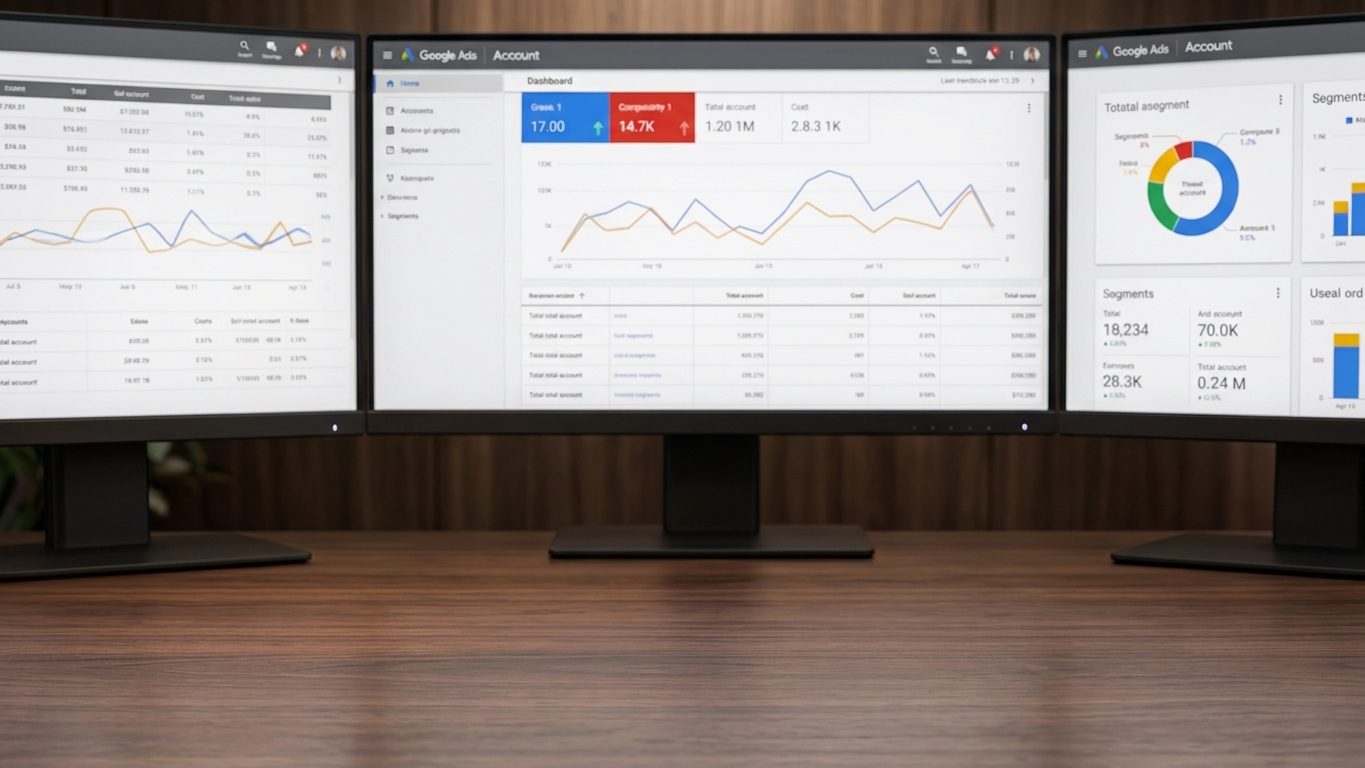
Scaling Google Ads sounds simple: find a profitable campaign, increase the budget, and generate more sales. Unfortunately, it rarely works that way. Many eCommerce brands reach a point where their campaigns perform well at a certain level of spend, but the moment they try to scale, ROAS starts falling. CPCs increase, less-qualified traffic enters the account, and additional spend fails to produce proportional revenue. So how do you scale without sacrificing profitability? Why ROAS Often Drops When You Scale When a campaign is performing well, increasing the budget too aggressively can force Google to look beyond your highest-quality opportunities. You may start paying more to reach additional customers while generating fewer conversions per advertising dollar. This is why successful scaling isn’t simply about spending more. You need to understand where additional budget can actually generate incremental revenue. Start With What’s Already Working Before increasing your overall budget, identify where your profitable sales are coming from. Look closely at: Campaign performance Product-level performance Search terms Conversion rates Cost per acquisition ROAS Profit margins A campaign generating high revenue isn’t necessarily your best campaign if the margins don’t make sense. Eliminate Wasted Spend First One of the fastest ways to create additional scaling capacity is to stop spending money where it isn’t producing results. Poor search terms, inefficient products, unnecessary overlap, and weak campaigns can quietly consume a significant portion of your budget. Cleaning these areas up means more money can be allocated to proven opportunities without immediately increasing total spend. Increase Budgets Gradually Large budget changes can significantly alter campaign behaviour. Instead of suddenly doubling spend, scale progressively while monitoring performance. The objective isn’t to maintain exactly the same ROAS forever. Some efficiency decline can occur as you reach a larger audience. The real question is whether the additional revenue remains profitable. Look Beyond ROAS ROAS is important, but it shouldn’t be viewed in isolation. Consider: Customer acquisition cost Average order value Gross margin New customer revenue Lifetime value Total advertising spend Overall profitability A lower ROAS at significantly higher revenue can sometimes be a better business outcome, provided the economics still work. Build Google Ads for Scale The strongest Google Ads accounts aren’t simply optimised for today’s budget. They’re structured around what happens next. At Juggernaut Commerce, we focus on building Google Ads campaigns that can grow with your eCommerce brand, helping you allocate budget intelligently, reduce wasted spend, and scale without losing sight of profitability.

How to Start a TikTok Shop for Ecommerce Sellers

How to start selling on tiktok

TikTok Shop has rapidly become one of the most influential ecommerce platforms for brands, online sellers, and creators. With millions of active users scrolling daily and strong engagement on short-form videos, TikTok Shop offers one of the easiest ways to blend entertainment with instant shopping behavior. If you’re wondering how to start selling on TikTok Shop, this comprehensive guide will walk you through setup, requirements, optimization techniques, and strategies to grow your store effectively. What Is TikTok Shop? TikTok Shop is TikTok’s built-in social commerce feature that allows sellers to promote and sell products directly inside the app. Buyers can purchase through in-feed videos, live streams, product showcases, or creator content—without leaving TikTok. This seamless in-app purchasing boosts conversions and encourages impulse buying. Relevant keywords: TikTok Shop, TikTok ecommerce, sell on TikTok, TikTok Shop guide, social commerce. Why You Should Sell on TikTok Shop TikTok Shop offers major advantages compared to traditional ecommerce platforms like Amazon and eBay. High Conversion Rates The app’s frictionless checkout reduces steps in the buying process, resulting in higher conversions. Creator Collaboration & Affiliate Marketplace Sellers can partner with creators who promote products through videos and live sessions, creating powerful social proof. Massive Organic Reach TikTok’s algorithm-driven content discovery helps products go viral through trends, sounds, and hashtags. Growing Ecommerce Platform TikTok Shop continues to expand globally, making it an ideal time to join as an early seller. Requirements to Sell on TikTok Shop Before creating your seller account, make sure you meet TikTok Shop’s basic requirements. Eligibility Criteria Must be 18 years or older Must have a valid TikTok account Must provide personal or business information Must follow TikTok’s product guidelines and prohibited list Documents Required Depending on your region, you may need: Government-issued ID (passport, or driver’s license) Business registration certificate (optional in some regions) Bank account for payouts How to Start Selling on TikTok Shop: Step-by-Step Guide Follow these steps to set up your TikTok Shop account and start listing your products. Step 1: Create Your TikTok Shop Seller Account Visit the TikTok Seller Center for your region. Sign up using your TikTok account, then choose either an Individual Seller or Business Seller option. Complete account verification by uploading identity proof and entering your business details. Make sure your store name aligns with your brand for better recognition and trust. Step 2: Optimize Your Seller Profile A complete seller profile builds authority and increases conversion rates. Add Essential Details Business address Customer service email Return and refund policy Shipping information Set Up Bank Account Add a bank account to receive your payouts securely. Step 3: Create and Optimize Product Listings Your product listings play a major role in visibility and sales. TikTok’s algorithm rewards listings that include strong visuals and clear descriptions. What to Include in a Product Listing Descriptive product title with keywords High-resolution images A short video demo of the product Detailed product description Competitive pricing Accurate stock availability SEO Tips Use relevant keywords like “TikTok Shop products,” “best products for TikTok,” and “trending TikTok items” in the title and description. Step 4: Create Engaging TikTok Content TikTok is a video-first platform, so content is the key driver of traffic and sales. Content Types That Perform Best Product demonstrations Tutorials and how-to videos Unboxing videos Before-and-after transformations Behind-the-scenes content User-generated content Use Trends to Boost Reach Leverage trending audio, hashtags, and formats to increase the chances of landing on the For You Page. Keep Your Content Authentic Authentic, relatable videos perform better than overly polished commercials. Step 5: Use TikTok Live to Sell Your Products Live selling is one of the most powerful features of TikTok Shop. Benefits of Live Selling Real-time interaction with viewers High engagement Instant purchases through pinned products Ability to run limited-time discounts To maximize results, use good lighting, a clean background, and clear product demonstrations. Step 6: Partner With TikTok Creators Through the Affiliate Program TikTok Shop offers a built-in affiliate marketplace that lets creators promote your products in exchange for a commission. Why Affiliate Marketing Works on TikTok Increases trust and social proof Expands your audience Generates sales without upfront ad spend How to Enable Affiliate Commissions Go to the TikTok Seller Center, enable the affiliate feature, set your commission percentage (10%–30% is common), and allow creators to request to promote your products. Step 7: Use TikTok Ads to Scale Your Store Once your organic content is performing well, investing in TikTok Ads can help scale your business. Types of TikTok Ads In-Feed Ads Spark Ads (boost your existing posts) Live Shopping Ads Product Showcase Ads Paid ads can help you reach a broader audience and generate consistent daily sales. Best Products to Sell on TikTok Shop TikTok’s audience responds well to visual, trendy, and impulse-buy products. Top-performing categories include: Beauty and skincare Fashion accessories Home and kitchen items Pet products Fitness items DIY and craft products Small electronics Tips to Succeed on TikTok Shop Here are strategies proven to increase visibility, engagement, and conversions: Post 1–3 videos daily Use TikTok SEO (keywords, captions, on-screen text) Engage in comments to build community Work with small creators for budget-friendly promotions Offer bundle deals and free shipping Track analytics to identify top-performing videos Consistency matters more on TikTok than perfection. Conclusion Starting a TikTok Shop is one of the most effective ways to grow your ecommerce business in 2025 and beyond. By setting up your seller account, optimizing your listings, creating engaging TikTok content, leveraging live selling, and collaborating with creators, you can build a highly profitable revenue stream. TikTok Shop offers powerful tools for sellers of all sizes, making now the perfect time to begin your social commerce journey.